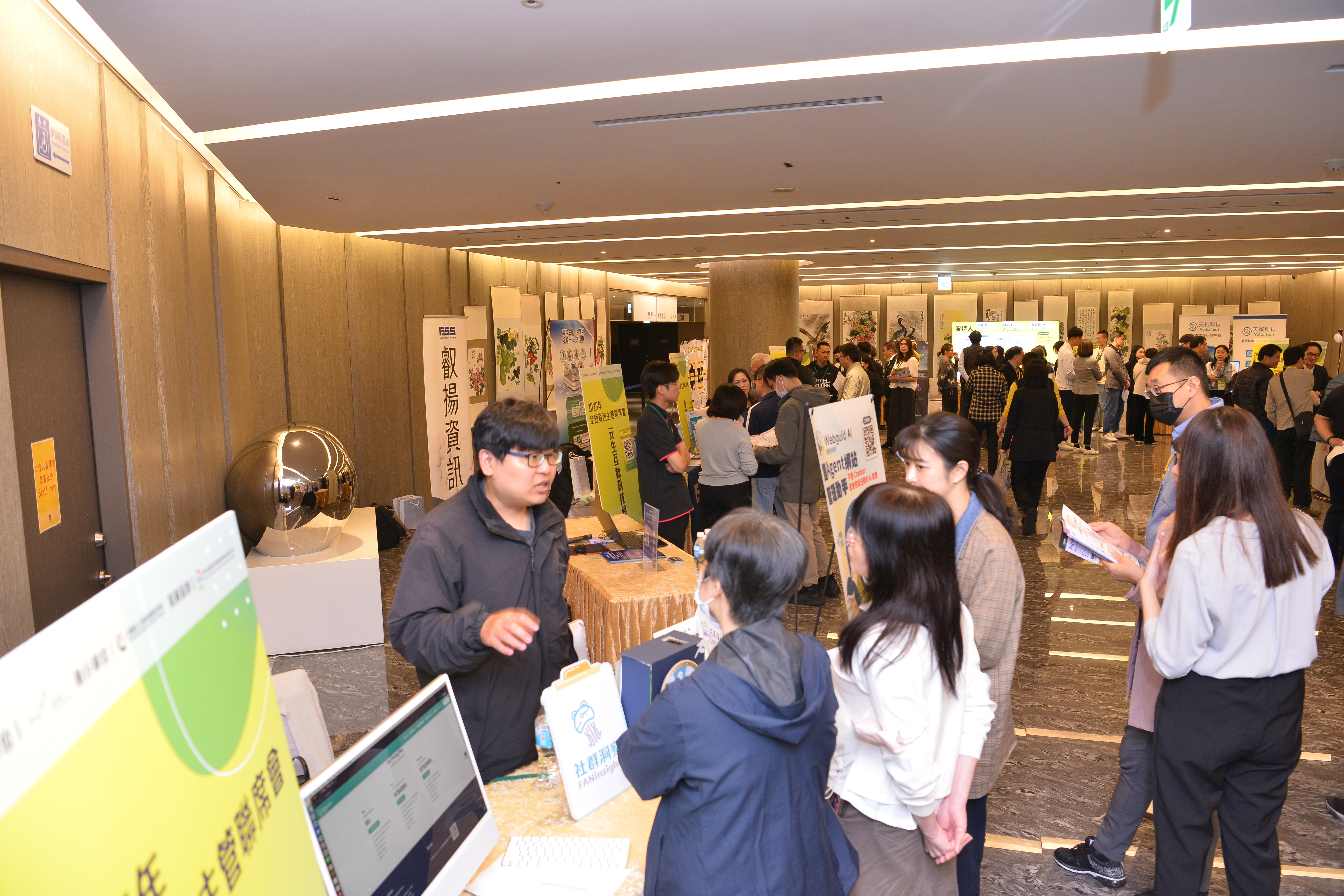
MODA Hosts the 2025 National Information Manager Joint Conference, Focusing on the Application of AI in Government Agencies to Enhance the Government’s Digital Resilience
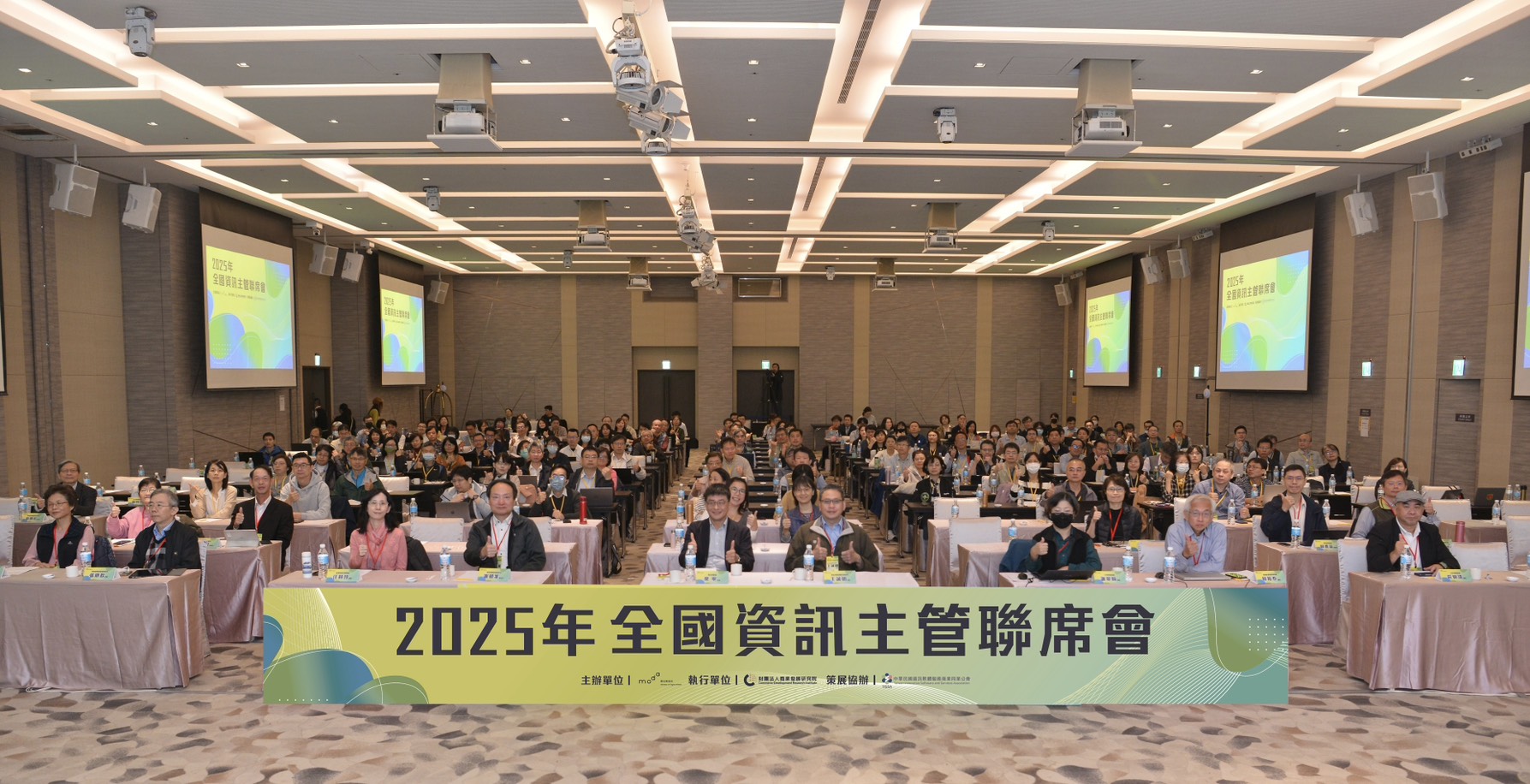
The Ministry of Digital Affairs (MODA) hosted the "2025 National Information Manager Joint Conference" over two consecutive days, beginning on the 21st. This year's conference was centered on the core theme of "actively promoting the utilization of AI in government agencies." The event gathered nearly 200 information managers and strategic planning personnel from the Executive Yuan, Legislative Yuan, Examination Yuan, Control Yuan, and local governments. Through the sharing of practical case studies, AI vendor showcases, and cybersecurity policy promotion, attendees collectively explored how to leverage emerging technologies to optimize administrative efficiency, demonstrating the government's drive to accelerate AI utilization.
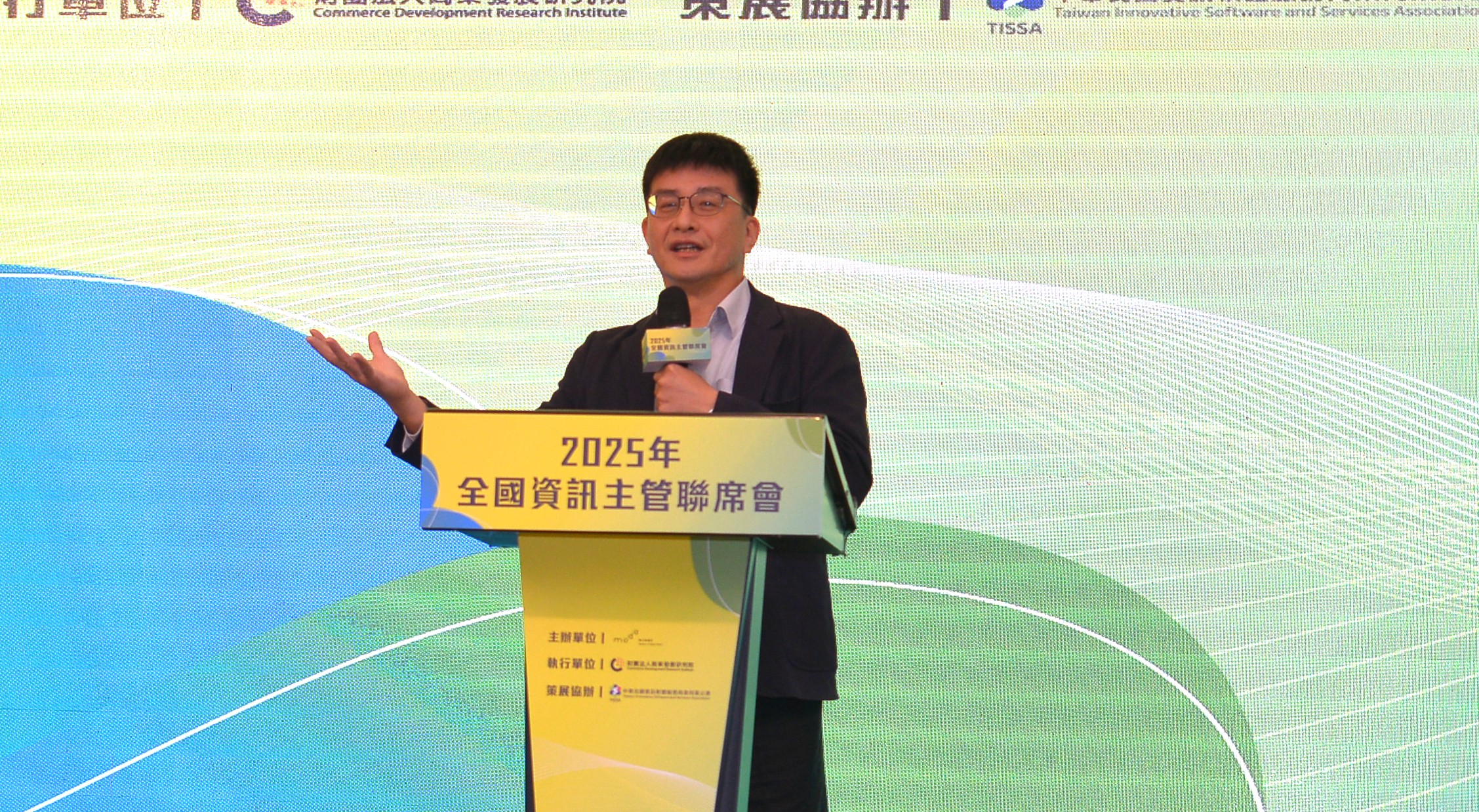
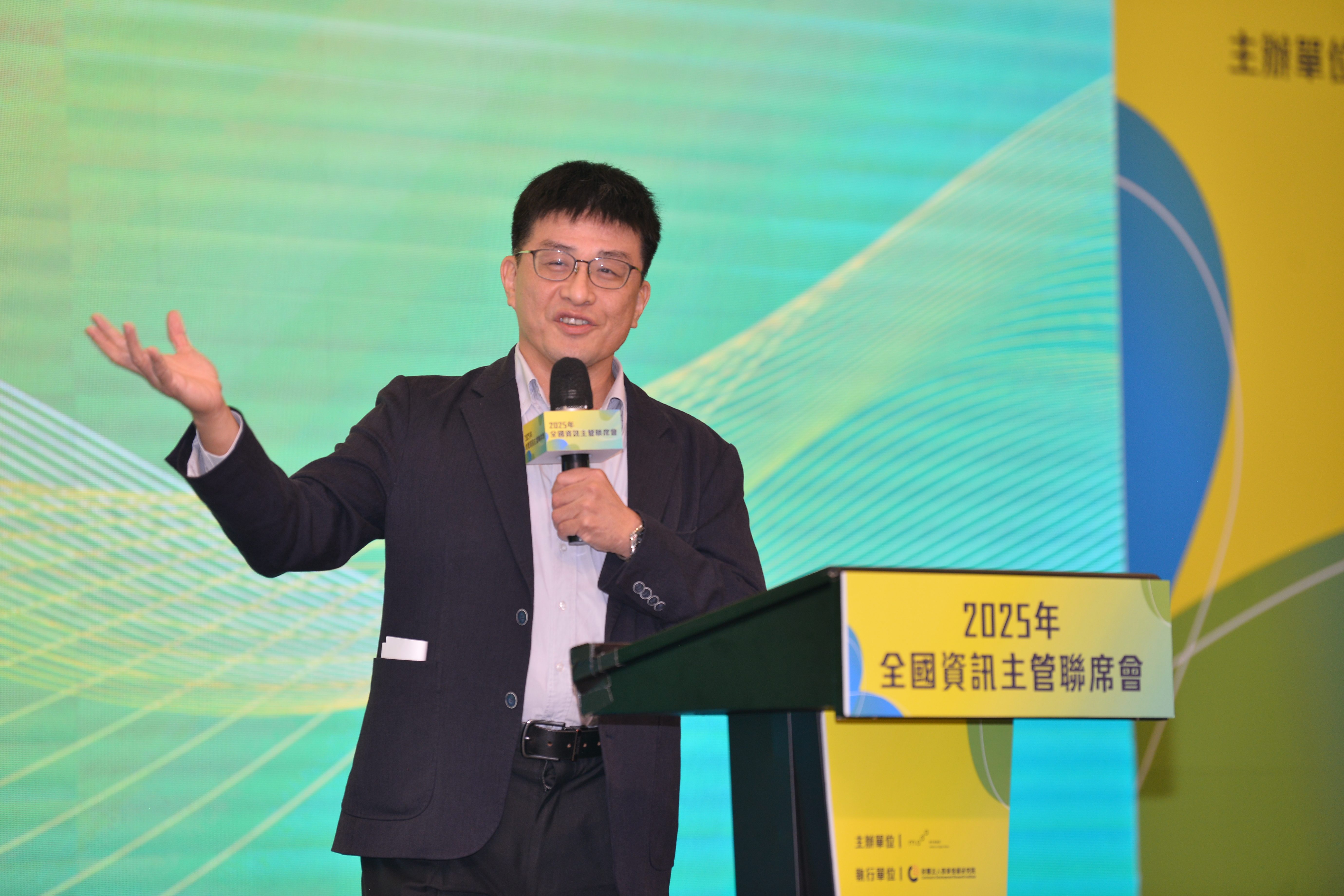
Deputy Minister of Digital Affairs Yeh Ning stated in his opening remarks that the National Information Manager Joint Conference has consistently been a crucial platform for the exchange of information technology experiences between government agencies. He added that, in the face of the global AI wave, it is imperative for government agencies to transform AI technology into practical administrative support. He also hoped that this conference will enable information managers from both central and local governments to gain an in-depth understanding of the practical applications of AI in areas such as healthcare, environmental protection, finance and taxation, and business development, thereby accelerating the realization of smart governance.
To allow attendees to concretely grasp the benefits of AI integration, this year's agenda featured "government AI application case studies" from various agencies. These included the Administration of Commerce of the Ministry of Economic Affairs sharing how AI is illuminating a new future for business development; the Ministry of Health and Welfare introducing the application of large language models for medical data standardization; the Ministry of Environment showcasing digital transformation achievements in AI-assisted smart reimbursement; and the Finance and Taxation Bureau, Chiayi County, sharing its smart document classification service, which integrates AI and RPA human-machine collaboration. These first-hand practical experience exchanges will not only stimulate innovative thinking across various agencies but also provide concrete references for the subsequent integration of AI applications.
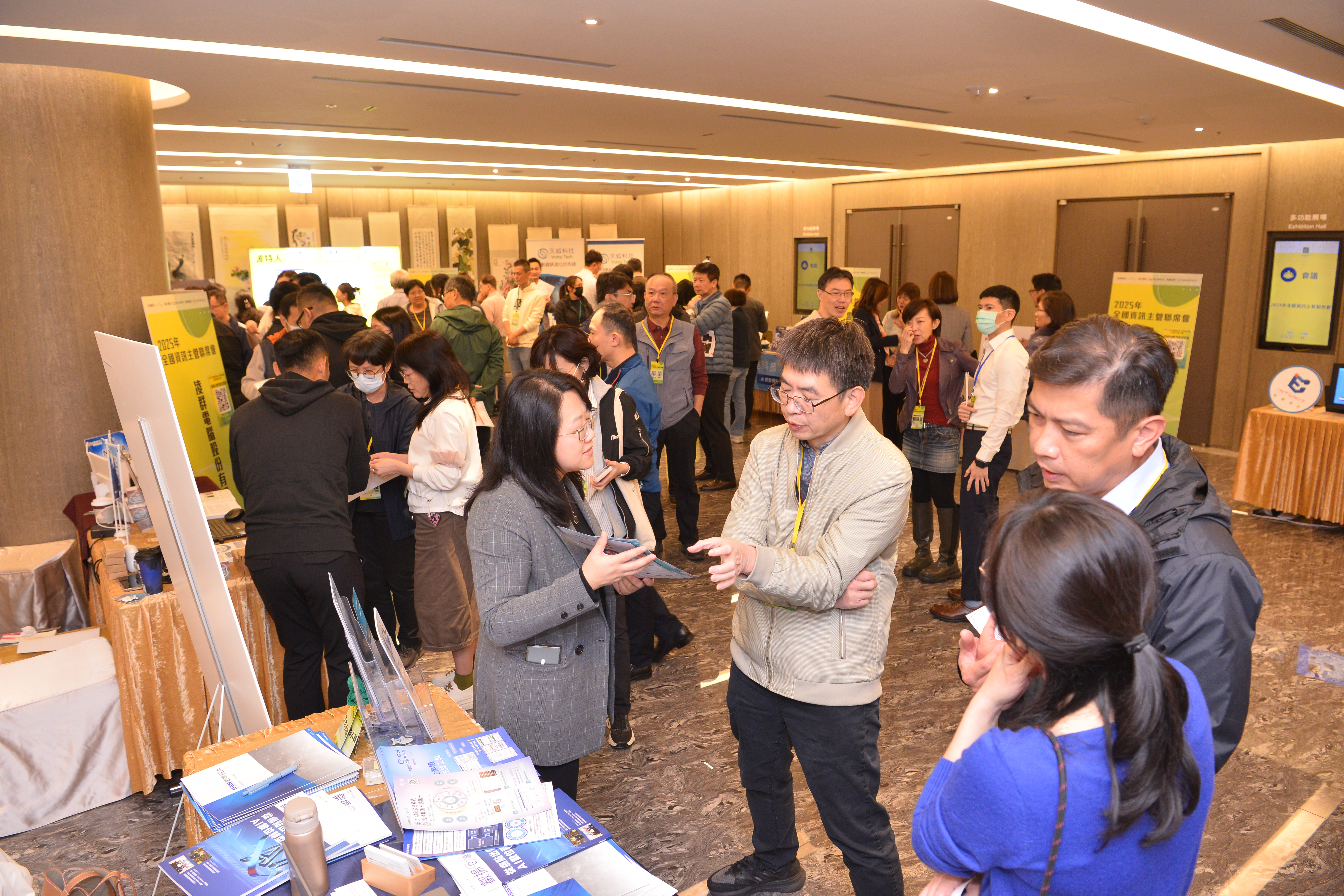
Regarding technological tools and infrastructure, the conference invited the National Center for High-performance Computing (NCHC) to introduce its "TAIWAN AI RAP" high-performance AI application development platform, and the Department of Digital Service, MODA, to share the application of the "Government AI Application Sandbox" in routine official duties. Furthermore, to help agencies quickly connect with suitable solutions, a dedicated AI showcase zone was established at the event, featuring 12 vendors. These vendors showcased three main categories of AI software products: "Document Processing and Presentation Generation," "Professional and Integrated Platforms," and "Smart Customer Service and Information Security," providing participating managers with hands-on demonstrations and direct interaction opportunities.
Given the increasing complexity of fraud and cybersecurity threats, the conference also placed significant emphasis on establishing digital resilience. The agenda included a special session where the Administration for Digital Industries, MODA, detailed the anti-fraud policy of the "Next-generation Anti-fraud Strategy Guidelines, Version 2.0" and the Administration for Cyber Security, MODA, promoted the key revisions to the “Cyber Security Management Act." The second day's agenda featured a special presentation by the National Institute of Cyber Security on "Digital Resilience and Emergency Response," followed by an introduction from the Department of Data Innovation, MODA, regarding the "Building a Taiwan Sovereign AI Training Corpus" plan. These efforts aim to ensure that the government, while leveraging AI innovation, also addresses cybersecurity protection and digital sovereignty.
MODA stated that the two-day conference, filled with in-depth exchanges, aims to help information managers at all levels grasp both the development trends of AI technology and key cybersecurity protection priorities, as well as to encourage the joint development of smart government services that are more convenient, secure, and resilient through inter-agency experience transfers and public-private partnerships.